The Durban North brief
Old-school homes, new-school cooling
Durban North is a suburb of proper houses — double-brick family homes off Broadway, mid-century places in Park Hill and Athlone, big erven under old trees in Glenashley and Virginia. Beautiful to live in, and mildly stubborn to retrofit. Solid walls mean core-drilled penetrations rather than quick chases; longer piping runs need planning so trunking stays discreet; and older distribution boards often want a dedicated circuit before a new unit goes in. None of this is a problem — it's just work that rewards doing properly the first time, which is why every Durban North quote starts with an actual walk through the house.
A lot of our Durban North work is replacement. Units installed in the early 2010s are reaching the end of the road, and many of them run on R22 — a refrigerant that has been phased out in South Africa, which makes an old R22 unit expensive and often impractical to re-gas. When a compressor dies on one of these, the honest answer is usually a new inverter unit rather than a big repair bill on borrowed time. We'll give you that assessment straight, in writing, with both options priced — and if a repair genuinely makes sense, we'll say so.
For families cooling more than one room, a multi-split is often the neat answer: one outdoor unit feeding two, three or four indoor units, so the garden and facade stay uncluttered while the bedrooms and living areas each get their own control. The suburb's mature trees do some of the cooling work for free — shaded east- and south-facing rooms can often take a smaller unit than the same room in a treeless estate, which is exactly the kind of thing a proper load check catches before you overspend.
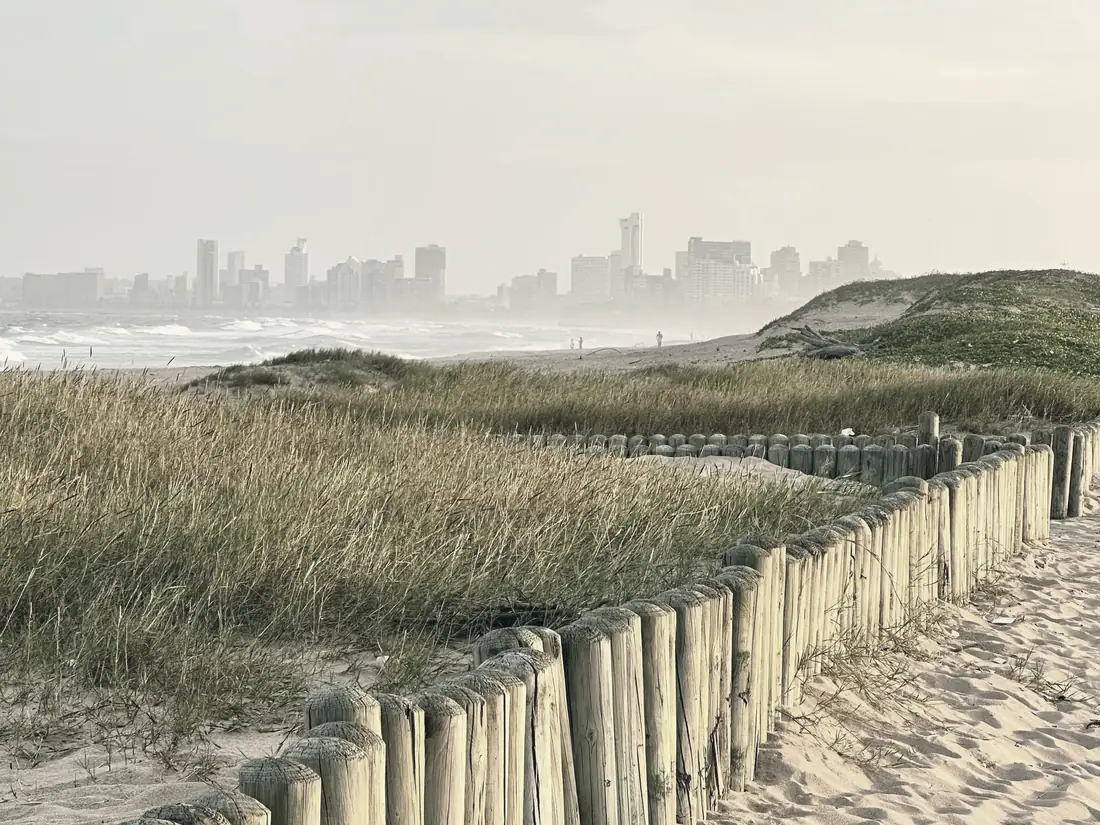
And although Durban North feels leafy rather than beachy, Virginia and the streets nearest the M4 still sit inside the salt band. Homes on that edge of the suburb get coastal-spec equipment and fixings as standard, because a sea breeze that reaches your washing line reaches your condenser coil too.